How Tree Care Service Lowers Walkway Risk at a Petersburg Entryway
How Tree Care Service Lowers Walkway Risk at a Petersburg Entryway
Tree care service lowers walkway risk at a Petersburg entryway when the work matches the defect. Prune a sound tree that hangs over the walk. Remove a tree that is dead, split, or leaning into the door or the lines. Book an arborist look-over when you cannot tell those cases apart from the ground.
Many Grant County homes have a mature tree near the door. Shade on the entry is useful in July. A cracked limb over that same walk is a different kind of fact, and you can see it without climbing.
A tree in the side yard can sometimes wait a season. A tree that reaches the steps gives you less room, because people pass under it every day. The useful question is which kind of care lowers the risk at your entry, and which signs mean you should call before the next wind.
What makes an entryway tree a walkway risk?
You can sort an entry tree with three checks from the ground. None of them asks you to climb. Each one points toward clearance pruning, a closer inspection, or a removal conversation.
Are limbs over the walk a trimming job?
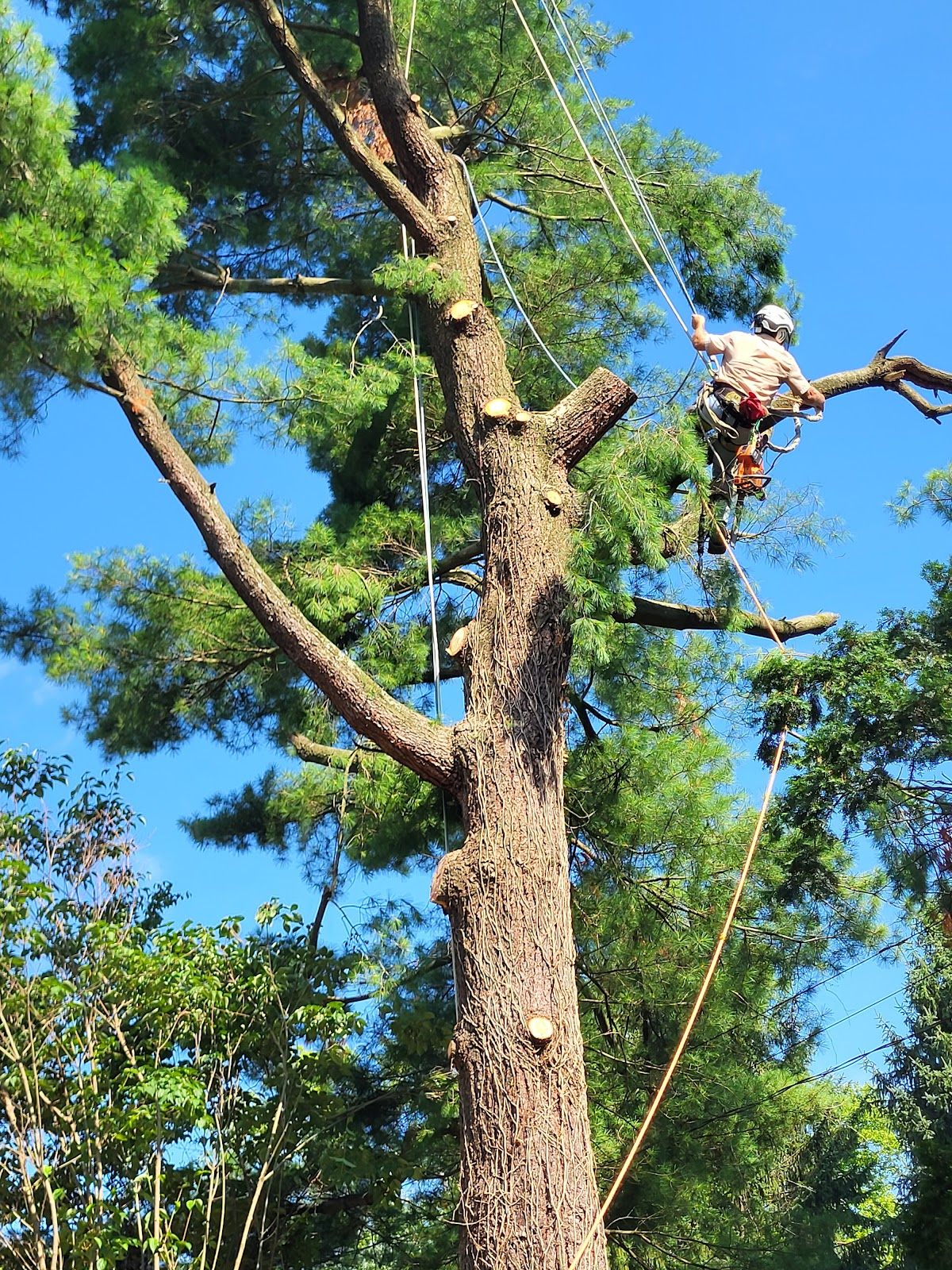
Low limbs and broken hangers sit in the space people use. When the trunk is still sound, tree trimming and pruning raise the clearance and take the weak wood out. Precision structural pruning plans the cut around the tree's attachments, including the branch over the walk.
This is a poor job for a household ladder. The landing is a hard walk or a drive, and a bad cut can tear bark down the trunk. If you can see a crack at the collar from the walk, call this week while the weather is still ordinary.
What does a lean toward the door mean?
A lean toward the house or the power lines is a reason to stop guessing. At an entry, that lean points at the door, the drive, or the service drop. Soil lifting at the base, a crack on the side away from the lean, or a lean that showed up after a storm belongs in a hazard look-over.
Write down which way it leans, whether the lean is new, and whether the walk sits inside that line. An arborist evaluation separates a long-standing lean from a tree that has started to move. If a limb is on the service drop, tell the crew when you call.
What should you do after wind changes the entry?
Grant County wind tests a tree that already had a weak attachment. After a storm, look for a new lean, a cracked leader, a limb hanging over the steps, or debris on the walk. That change is the trigger to call.
Emergency response is one of the specialized services described for this territory, including Petersburg. Published hours are Monday through Friday, 7 AM to 5 PM. A night or weekend arrival time is not listed, so call during those weekday hours while the damage is fresh. If the tree is blocking the only door, say that first. A blocked entry needs a different setup than a limb that is cracked and still attached.
Which tree care service lowers that risk?
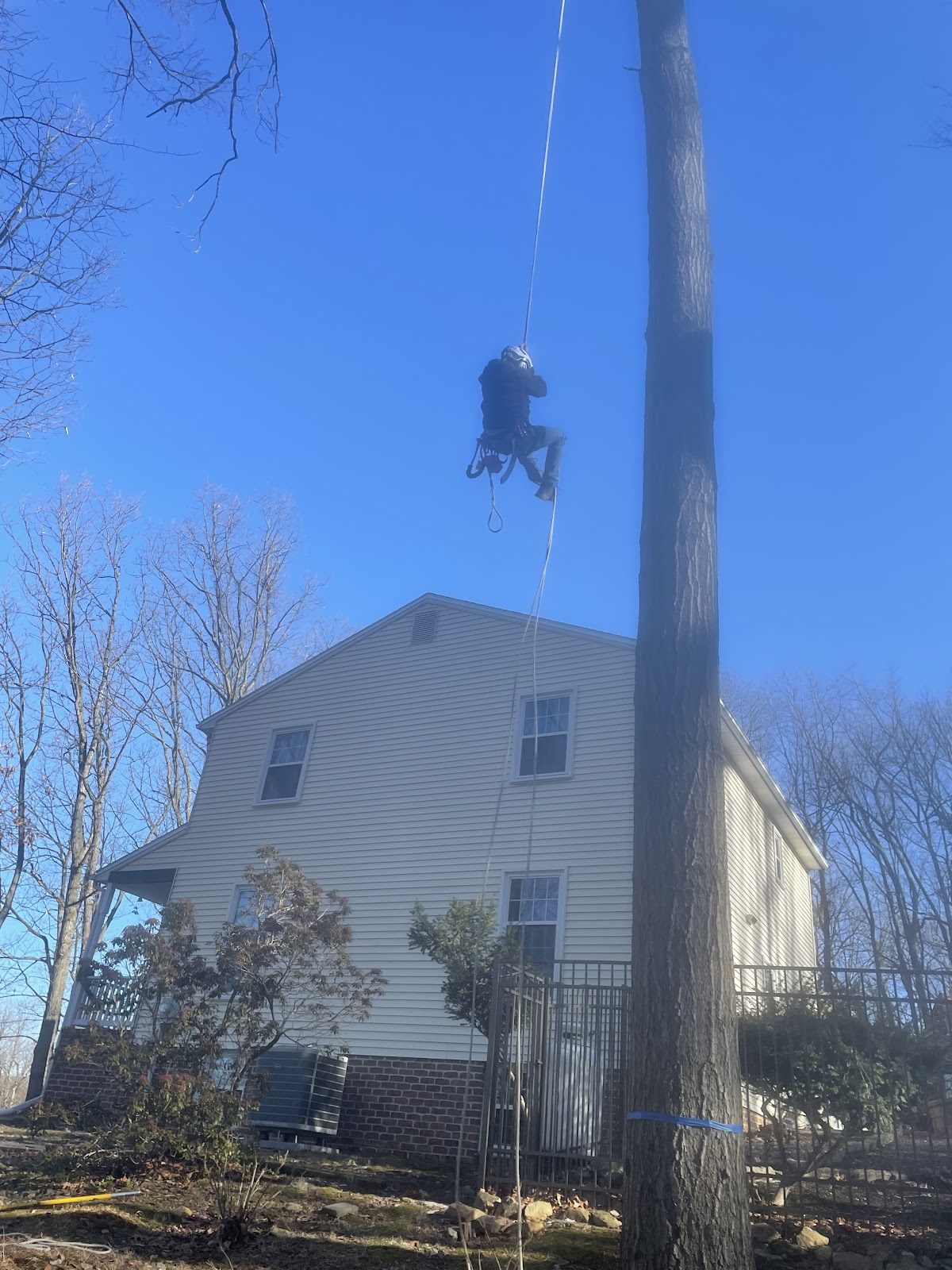
The right tree care service matches the defect. Clearance and weak wood call for pruning. A dead tree, or a tree placed so no prune can make the entry safe, calls for removal. Decline from pests or disease, on a trunk that is still sound, calls for health care. A tree you cannot diagnose from the walk calls for a consultation before any saw work.
Woodlawn Tree Service is the family-operated crew for that work in Petersburg and the rest of Grant County. The company has been based in Cabins since 2012 and also works in Maysville, Mount Storm, and Lahmansville. Matthew Schrock, an ISA Board Certified Master Arborist (certification PD-1052B), oversees the operation. The public offer is a free estimate, because a price list is not published. Google shows a 5.0 rating across 117 reviews. That is a company rating. The visit still has to name the service.
When can trimming and pruning keep the tree?
Tree trimming and pruning fit when the trunk is sound and the problem is the wood over the walk. The crew raises clearance, removes a broken hanger, and can use structural pruning where a bad attachment is likely to fail later. Residential and commercial properties in Petersburg are both inside the documented territory.
A trim leaves a hollow or badly decayed trunk as it was. If the base is soft or the lean is new, cutting the tips does not move that weight off your steps. The estimate should name pruning, or stop and talk about removal, before a crew is booked.
When is removal the service that lowers the risk?
Tree removal is the service when the tree is dead, dying, or standing where pruning cannot make the entry safe. A trunk aimed at the door, or a tree already split after wind, is that kind of placement. The work is to take the tree down while protecting the walk, the roof edge, and the drive.
Ask whether stump grinding, haul-away, or a crane is part of your job. Those items are not spelled out in the public service description. The estimate is where they get named, so you know whether the stump stays beside the walk. A dead top over a live lower crown can still be a pruning and health-care case. A split that faces the steps usually calls for removal. Put that distinction in the estimate.
When should an arborist look before the cut?
Arborist consulting is the look-over before you choose a trim or a removal. A tree inspection, a hazard assessment, or a risk assessment is that visit: someone qualified stands at the entry with you and names what the tree is doing. Matthew Schrock's ISA Board Certified Master Arborist credential, PD-1052B, is the certification attached to this company.
Book the visit when you can see a lean or a crack and you do not yet know which service to buy. Removal cannot be undone. A consultation keeps you from cutting a tree that only needed clearance, and from pruning a tree that should come down. The cost of that visit is not published. Ask for it as its own line if you want the diagnosis before the work order.
When does plant health care fit an entry tree?
Plant health care fits when the entry tree is still structurally sound and the problem is decline. Thinning in the crown, pests, or disease you can see from the walk are the usual clues. Disease and pest management, and science-based treatment, are part of the care Woodlawn documents.
A product name and a visit calendar are not published. The estimate is where a treatment plan gets specific. If the same tree has a crack or a lean toward the door, settle the structure first. Treat the living crown after you know the tree will hold.
How does a family decide between a trim and a removal?
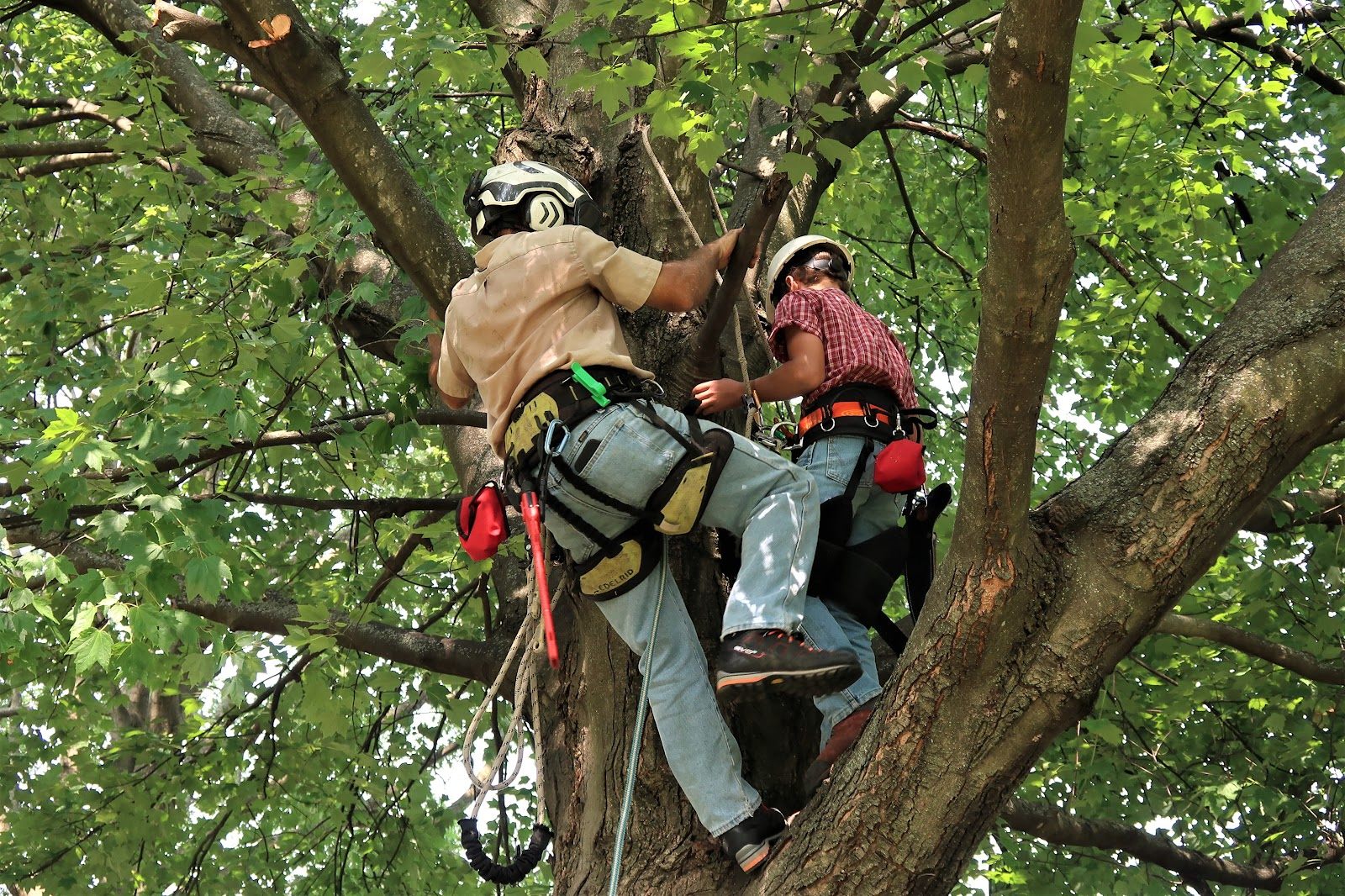
Start with what the tree is doing to the walk. If the wood over the steps is the only defect and the trunk is sound, a trim lowers the risk and the tree stays. If the trunk is dead, split, or leaning into the door or the lines, removal is the decision that changes the risk. If you cannot tell which of those you are looking at, book the consultation before you book the saw.
| What you see at the entry | Service to ask for |
|---|---|
| Sound trunk, with wood over the walk | Trimming and pruning |
| Dead, split, or leaning into the door or the lines | Tree removal |
| You cannot tell from the ground | Arborist consulting |
| Sound structure, with thinning, pests, or disease | Plant health care |
Households often consider three other paths: handling it themselves, hiring the cheapest cutter who will come this week, or waiting. A ladder over a hard walk puts the fall on you. A cutter who cannot show insurance leaves you with the damage if a limb hits the porch. Waiting leaves the same defect for the next wind. A credentialed crew will usually cost more than a quick cut, and the free estimate is how you see the number before you commit.
The result you want is a walk your family can use, with less regret after the next storm. Looking like a careful owner follows that safety decision. Appearance alone is a weak reason to remove a healthy tree. Before you approve the estimate, the paper should say the action in plain language: raise clearance and remove the cracked hanger, take down the split trunk, or tell you which of those this tree is.
What should you confirm before you hire tree care service?
Use the same short check with any crew you call for a Petersburg entry.
- Ask who is responsible for the diagnosis, and whether you can verify that person's credential. For Woodlawn, the named credential is Matthew Schrock, ISA Board Certified Master Arborist PD-1052B.
- Ask the crew to show insurance before work starts. Woodlawn is described as licensed and insured. A policy number and a coverage limit are not published, so the certificate is what answers the question. You want it because a limb, a rope, or a truck can damage the walk or the house.
- Ask whether the crew works in Petersburg. Woodlawn's territory is Grant County, including Petersburg, from the Cabins base at 279 Zella Ln, Cabins, WV 26855.
- Ask for a free estimate that names the service: trim, removal, health care, or a consultation. Pricing is not on a rate card. A number without a scope does not tell you what will happen at the entry.
- Call during published hours, Monday through Friday, 7 AM to 5 PM, at (304) 844-0054. If you would rather write, the email is [email protected].
The crew that can name the defect and show insurance is the crew that can lower the walkway risk. If the scope changes after they see the tree up close, get that change in writing before the saw starts.
Who handles tree care service for a Petersburg entryway?
If the walk, the steps, or the drive sits under a weak limb or a new lean, tree care service in Petersburg starts with a look at that tree. Woodlawn Tree Service can do that look and give you a free estimate for the matching service: pruning, removal, plant health care, or a consultation first.
The company works across Grant County. Petersburg sits in the same territory as Cabins, Maysville, Mount Storm, and Lahmansville. Call (304) 844-0054 on a weekday between 7 AM and 5 PM. Say whether the walk is blocked, whether a line is involved, and whether the lean is new. The estimate is also where stump grinding and haul-away get named if you need them.
About the Author
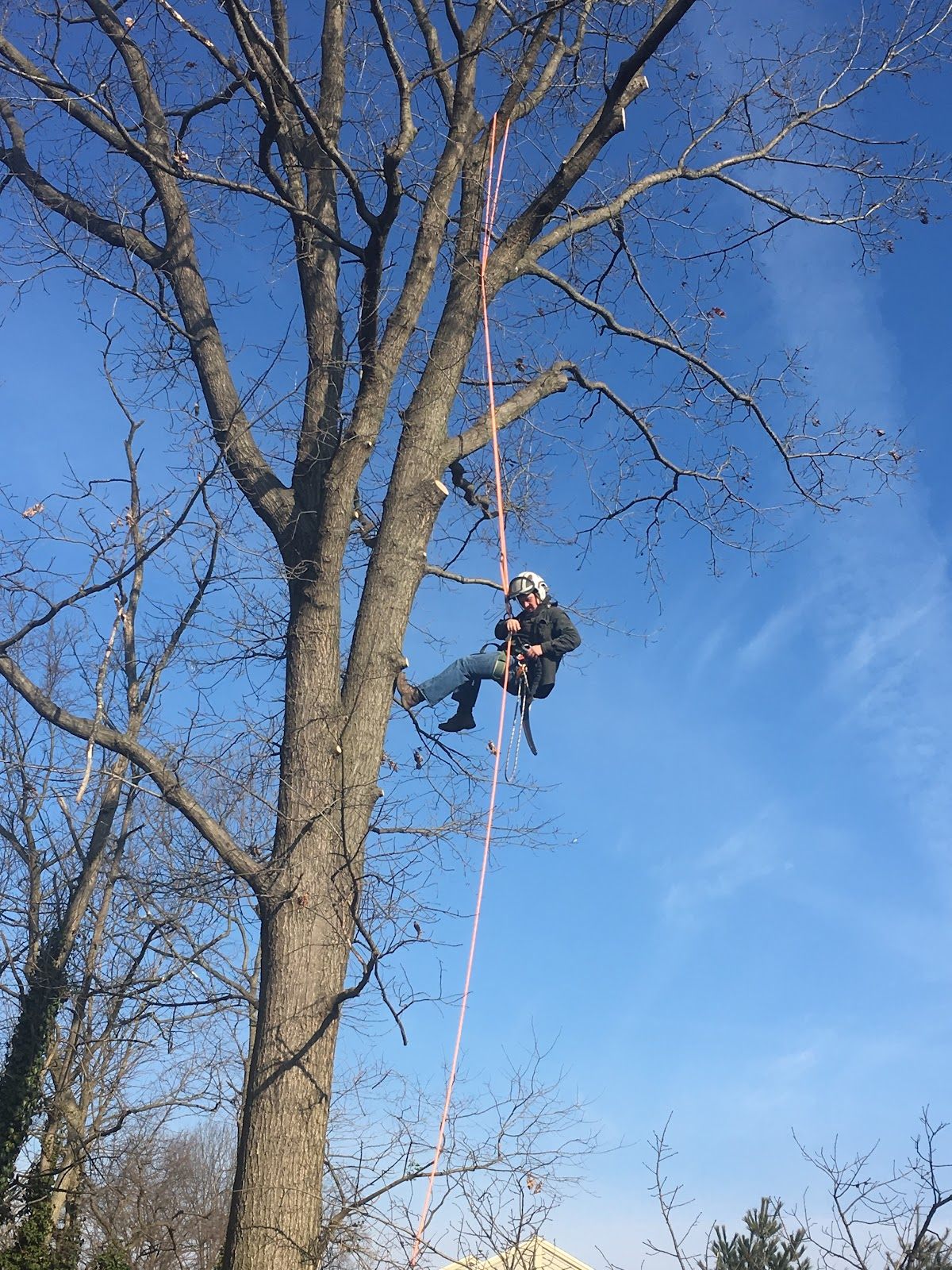
Matthew Schrock is the founder of Woodlawn Tree Service and an ISA Board Certified Master Arborist (PD-1052B). Based in Cabins, West Virginia, he leads science-based tree care for residential and commercial clients across Grant County.