Affordable Tree Removal Paths in Grant County When Cash Is Tight Right Now
Affordable Tree Removal Paths in Grant County When Cash Is Tight Right Now
Homeowners looking for affordable tree removal in Grant County, West Virginia often face a tight household budget at the same time a tall tree starts leaning toward the roof. Waiting too long on a failing trunk invites property damage during the next mountain windstorm, yet hiring an unverified cash crew carries serious financial risk. Woodlawn Tree Service provides free estimates across the county so you can find out what your lot requires before spending a dollar.
What Should You Do First When You Need Affordable Tree Removal in Grant County?
Looking for affordable tree removal in Grant County, West Virginia starts with getting accurate facts about the tree on your lot before agreeing to any cut. Following a clear four-step order shows whether the tree is an active hazard, whether an outside party shares responsibility, or whether the job can be broken into phases:
- Request a no-cost on-site estimate from a credentialed arborist so you have a written per-tree evaluation in hand.
- Check whether the tree threatens utility lines or qualifies for a homeowner's insurance claim after storm damage.
- Ask whether precision pruning or plant health care can make a sound tree safe at a smaller scope than full removal.
- Phase multi-tree lots by addressing the primary safety hazard first and leaving secondary trees or stump work for a later visit.
Start With a Free Estimate Before Assuming the Worst
Many property owners put off calling a professional because they worry that an initial yard visit will add another bill. At Woodlawn Tree Service, the on-site estimate costs nothing and gives you a tree-by-tree written plan for your property. Having that written scope on the kitchen table lets you review real options without guesswork or sales pressure.
Separate Immediate Safety Hazards From Trees That Can Wait
A homeowner looking at three or four tall trees often assumes the entire yard must be cleared in one expensive visit. During an on-site look-over, an arborist separates a tree with a fresh lean, cracked main union, or lifting roots from stable trees that only hold minor deadwood. Handling the single urgent hazard now and leaving healthy trees for a future season keeps your immediate bill focused on what protects the house.
Which Third-Party Options Can Lower or Cover Tree Removal Costs?
Before paying out of pocket for tree removal, every property owner on a tight budget should check whether another organization covers part of the work. Local questions from Grant County homeowners point to four practical paths worth verifying whenever cash is tight.
| Cost-relief path | When it typically applies | What to verify first |
|---|---|---|
| Utility company line clearance | Tree or limbs threaten street-side or pole-to-pole overhead power lines | Call the electric utility to confirm which wires are affected before hiring a private crew |
| Homeowner's insurance | Storm, wind, ice, or lightning drops a tree onto a roof, garage, or fence | Check policy coverage with your agent and provide photos plus a written per-tree estimate |
| Local assistance programs | Fixed-income or eligible households facing a residential hazard tree | Ask county or state coordinators about open windows and submit a contractor quote |
| On-site wood and chip options | Homeowner can use firewood or keep wood chippings on the parcel | Ask during the free estimate how keeping wood or chips on site affects cleanup scope |
Utility Company Clearance for Trees Near Power Lines
If a dead or leaning tree sits close to overhead wires running along the road or pole-to-pole span, call your electric utility before hiring a private crew. Utility companies sometimes clear limbs or remove hazard trees near power lines at no direct cost to the property owner to prevent outages. Describing which wires the branches threaten helps the utility dispatcher classify the call, and a written arborist note gives you clear facts to share.
Homeowner's Insurance and Local Assistance Programs
When wind, ice, or lightning drops a tree onto a roof, garage, fence, or driveway, your homeowner's insurance policy may help cover the removal work. Policies differ on how they treat a fallen tree touching a covered structure versus a standing tree in the yard, so call your agent to confirm what documentation they require. Homeowners on a limited income can also ask whether local assistance programs help with hazard trees, and a free written estimate supplies the contractor quote those applications require.
Asking About Wood Value and On-Site Wood Options
Property owners sometimes wonder whether a tall hardwood in the yard is worth enough timber money to offset the takedown cost. Residential yard trees frequently hold metal or internal decay that sawmills avoid, though you can check species traits in the tree library before your visit. Even when a yard tree is not mill timber, ask during your free estimate how keeping firewood or wood chippings on site affects the cleanup scope for your lot.
How Can You Reduce the Job Scope Without Cutting Corners on Safety?
When no third-party coverage applies and the bill lands on your household budget, the safest way to lower the cost is to adjust the job scope. A credentialed arborist can help you choose practical adjustments that protect your home without paying for work you can defer.
When Precision Tree Trimming Solves the Problem Instead of Full Removal
Not every heavy tree beside a house needs to be cut down to the ground. Through an arborist consulting visit, an ISA Board Certified Master Arborist can check whether the trunk and root flare remain structurally sound. When the main stem is solid, targeted tree trimming and pruning can clear overextended limbs over a roof or driveway at a smaller scope than full removal, while plant health care can treat early disease or pest stress before decay ruins the tree.
Phasing Multi-Tree Lots and Clarifying Stump or Debris Scope
On a wooded Grant County parcel, tackling every tree and stump on the same invoice can strain a monthly budget. Because stump removal, stump grinding, and heavy debris haul-away are confirmed per estimate rather than assumed on every cut, ask your arborist to break out these line items on paper:
- Ranking multiple yard trees by risk so you remove the primary hazard now and schedule secondary trees later
- Listing stump grinding or stump removal on a separate line so you can leave a low stump in a back corner for a future visit
- Comparing full debris haul-away against leaving firewood rounds or wood chippings on the property
Booking Non-Urgent Work During the Quieter Season
If a declining tree stands in an open part of the yard away from roofs and walkways, the calendar can help you plan ahead. Tree crews see their heaviest rush right after summer storms and during peak leaf-on months. Scheduling non-urgent tree work during the quieter late-fall or winter stretch makes it easier to reserve a weekday slot and budget for the visit in advance.
Why Does the Cheapest Uninsured Bid Often Cost More in the End?
When cash is tight, a knock on the door from someone offering to cut a tree down for a rock-bottom cash price can sound appealing. In practice, hiring an unverified cutter is one of the fastest ways for a tight budget to turn into a costly property loss.
Property Damage and Liability Risks With Uninsured Cutters
Taking down a heavy tree near a roof, power drop, or fence requires controlled rigging and trained crew coordination. An unlicensed, uninsured cutter who misjudges a cut can drop a trunk across your porch, crush a fence, or walk away from a half-cut hazard tree when the job gets difficult. Worse, if an uninsured worker is hurt on your lot, the financial liability can fall directly on you as the property owner.
What ISA Master Arborist Oversight and a Written Estimate Protect
Hiring a licensed and insured company protects your home and your budget from those surprises. At Woodlawn Tree Service, all operations are overseen by founder Matthew Schrock, an ISA Board Certified Master Arborist (certification PD-1052B), bringing science-based evaluation and safety standards to every job. You receive a line-by-line written estimate for each tree before any saw starts, so you know the exact scope and credentials backing the work.
Who Can Help You Build a Practical Tree Plan in Grant County?
Woodlawn Tree Service is a family-operated, licensed, and insured tree care company based at 279 Zella Ln in Cabins, West Virginia. Established in 2012 and led by ISA Board Certified Master Arborist Matthew Schrock (PD-1052B), we hold a 5.0 rating across 117 Google reviews and serve residential and commercial properties in Petersburg, Maysville, Mount Storm, Lahmansville, and surrounding Grant County communities. If you are weighing your options for affordable tree removal and want a clear, no-cost written plan for your trees, call (304) 844-0054 or email [email protected] Monday through Friday, 7 AM to 5 PM, to request your free estimate.
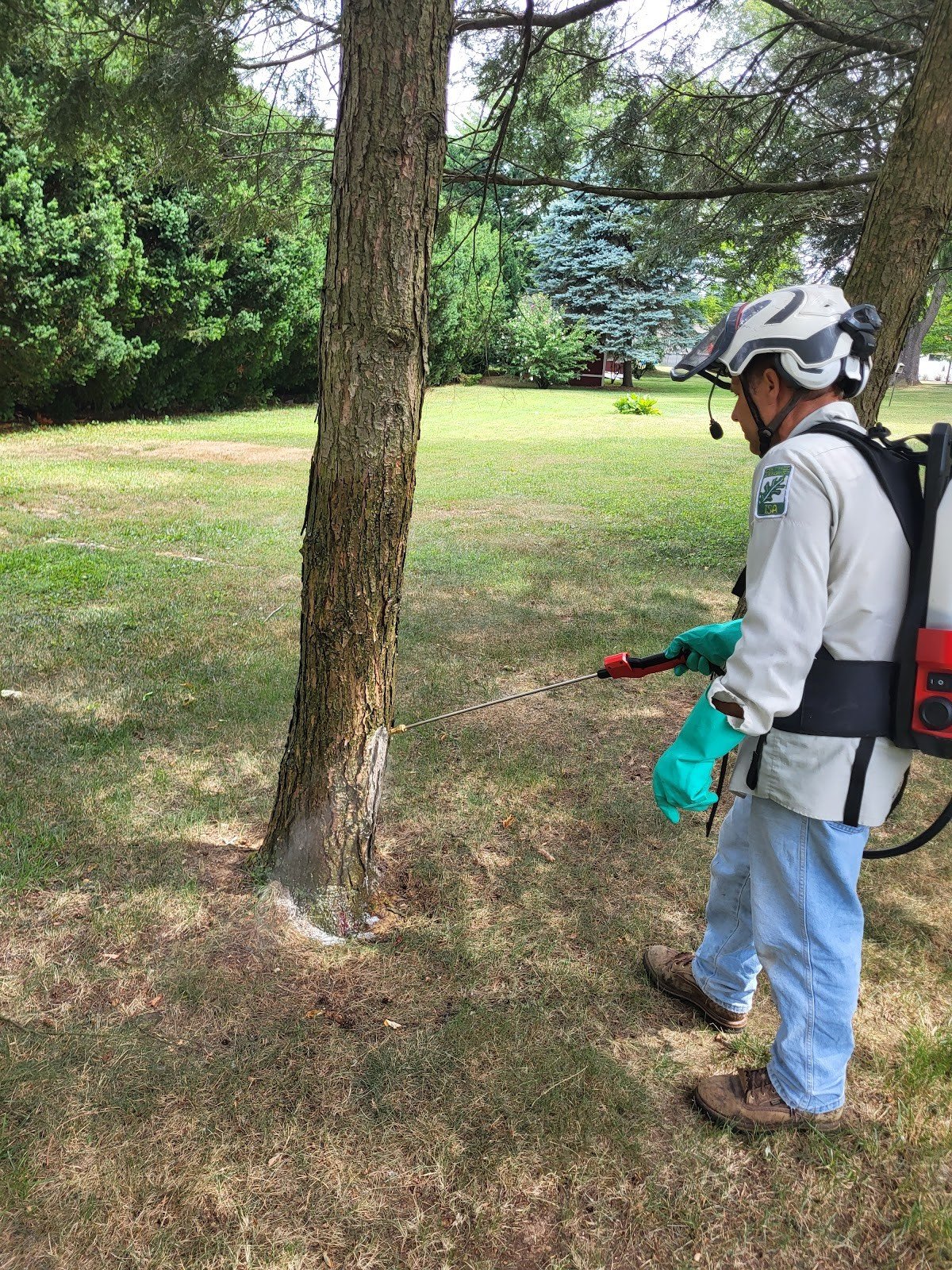
About the Author
Matthew Schrock is the founder of Woodlawn Tree Service and an ISA Board Certified Master Arborist (PD-1052B). He leads the family-operated crew serving Grant County, West Virginia, and has overseen its trimming, removal, plant health care, and consulting work since 2012.